
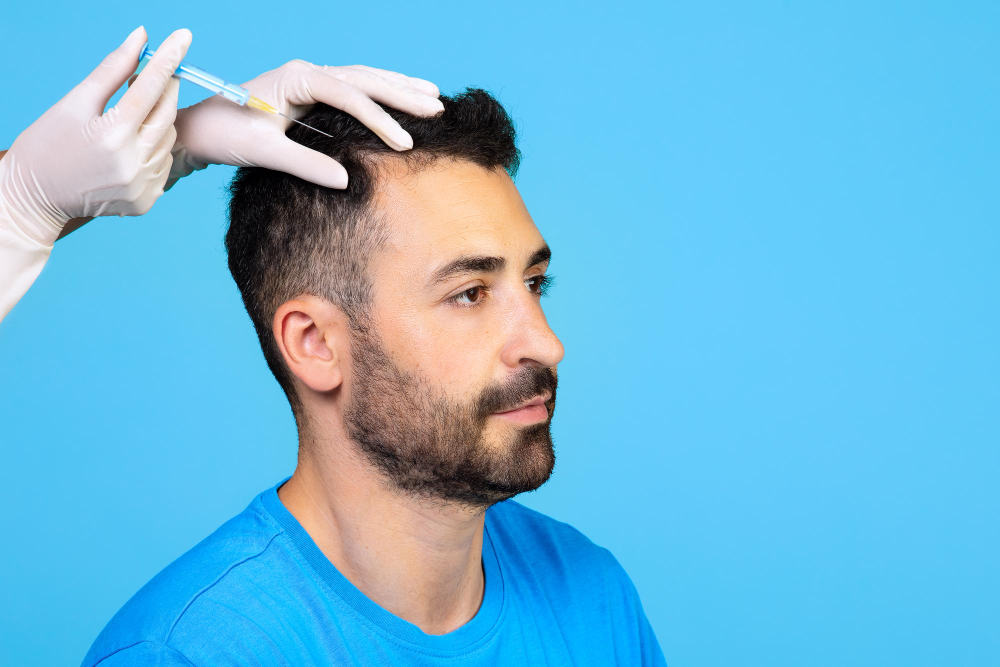
Proper recovery decides how successful a hair transplant result will be. Good aftercare protects grafts and supports healthy hair growth. The first few weeks after treatment matter the most. Many patients focus only on the procedure day. Recovery care shapes the final outcome. Simple habits, patience, and correct steps improve results and comfort.
Why Recovery Care Matters
A hair transplant moves hair roots into thinning areas. These roots need time to settle. The scalp remains sensitive during healing. Poor care may weaken graft survival. Correct recovery habits protect both growth and appearance. Healing also reduces swelling and redness faster.
Normal Signs During Early Healing
Mild swelling may appear around the forehead. This usually settles within a few days. Small scabs form near grafts. These protect healing skin and fall off naturally. Redness fades slowly. Touching or scratching should be avoided.
Hair Plant Recovery Basics
Be Gentle With the Scalp
After a hair transplant procedure, the scalp stays delicate. Avoid rubbing or pressing the treated area.
Follow Washing Guidance
Doctors provide exact washing steps. These help keep grafts safe and clean.
Protect From Sun Exposure
Direct sunlight can irritate healing skin. Use shade or light cover when outside.
Hair Transfer Healing Stages
First Week
Grafts begin settling into place. Swelling reduces gradually. Rest supports healing.
Second to Fourth Week
Scabs shed naturally. Temporary hair shedding may begin.
Following Months
New hair growth starts slowly. Full results take time. Knowing the hair transfer stages helps set realistic expectations.
Sleeping Position and Care
Sleep position affects swelling and comfort. Keep the head slightly raised while resting. Avoid sleeping on treated areas. Use clean pillows to support hygiene. Good sleep helps the body heal faster.
Washing and Scalp Cleanliness
Clean skin supports healing. Follow the clinic washing instructions carefully.
Use mild products only. Avoid strong water pressure during early washes. Having a balanced diet will also provide support for the damaged area. It is well known that protein and vitamins are essential for the repairing of tissue. One should always ensure that they drink a sufficient amount of water daily. Drinking water will not only keep you fresh but will also be good for the scalp. In order to have strong and healthy hair, one has to adopt the right hygienic habits first. This is a gradual process, and the hair will only start becoming really strong when a person has been following a good hygiene regimen for quite some time.
Activities to Avoid After Treatment
Heavy exercise increases swelling. Avoid workouts during early recovery. Swimming pools and saunas should be avoided. Heat and moisture may affect grafts. Hair styling products should wait until approval from the doctor.
Managing Itching and Mild Pain
Itching is common during healing. Scratching should never be done. Doctors may suggest sprays or tablets. Use them only as directed. Discomfort reduces as healing improves.
Patience During Hair Growth Phase
Hair growth does not happen overnight. Early shedding is normal and temporary. Patients should remain calm and patient. Visible growth appears slowly. Trusting the process reduces stress.
Long-Term Care for Lasting Results
Recovery continues beyond the first month. Gentle care is the main foundation for having long and healthy hair. Stay healthy by always having good habits. It’s also very important to have regular medical checkups to be aware of your physical condition.
Common Recovery Mistakes
Touching grafts too often can damage healing roots. Ignoring care advice may affect results. Follow medical guidance closely. Avoid tips from unverified sources.
When to Contact the Clinic
Excess swelling, pain, or bleeding needs attention. Early support prevents problems. Patients should contact the clinic if unsure. Clear guidance ensures safety.
Conclusion
Recovery habits shape the final success of treatment. Proper care protects grafts and supports growth. Patients choosing hair transplant dubai should focus on structured aftercare. With expert guidance and careful monitoring, Plaza Clinic supports safe recovery and strong results. Plaza Clinic remains committed to patient care and long-term satisfaction.
Frequently Asked Questions
1. How long does hair transplant recovery usually take?
Initial healing takes weeks, while visible growth takes several months.
2. Is hair shedding normal after a transplant?
Yes. Temporary shedding is common and part of normal recovery.
3. When can hair washing begin after a transplant?
Washing usually starts within a few days, based on the doctor’s advice.
4. Does hair plant recovery affect final results?
Yes. Proper hair plant recovery supports healthy and lasting growth.
5. When do hair transfer results start showing?
Hair transfer results appear gradually after a few months.